
Coping in the aftermath of an earthquake
In yesterday's blog I reported on the aftermath of last year's earthquake here in Peru. We toured the area most devastated - where 80% of buildings co...
In yesterday's blog I reported on the aftermath of last year's earthquake here in Peru. We toured the area most devastated - where 80% of buildings collapsed and so many people died. It was sobering; our team lapsed into silence as they past house after house that had been reduced to rubble.
 The media is so filled with bad news, it's natural to shrug off these kinds of calamities, but we need to embrace the pain of situations like this and make a difference where we can. Let me tell you more about it.
Initially, feeding centers were set up by sector. Each feeding center was responsible for a certain number of families. As of a few weeks ago, all assistance to feeding centers has been terminated. The rationale for this is that the government does not want to encourage the residents to stay in Tambo de Mora, rather they want to discourage them so that they will leave.
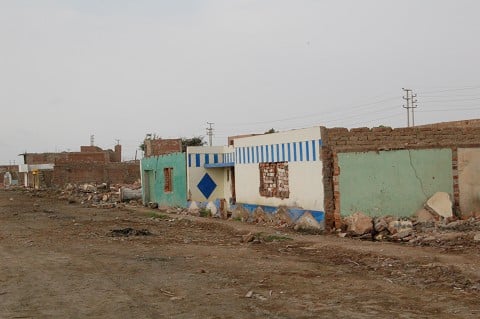
A badly damaged section of the city
The area of Tambo de Mora that was most badly damaged sits on the ocean front. It was the nicest part of the city with many beautiful and colorful homes (made of materiales nobles) lining the streets. The families there were mostly prosperous, independent and proud. This entire area was totally destroyed.
The buildings that didn't collapse during the quake have mostly been demolished by heavy equipment. There are ruins of homes as far as the eye can see. Most of the people who lived here do not want to rebuild their homes here for fear something similar could happen again. They were truly traumatized by this event. The government of Tambo de Mora is hoping to buy a large tract of land that is presently an asparagus field and to relocate these families there. They do not presently have any money to do so.
Two-thirds of Tambo de Mora's families lost pretty much everything—their homes and their possessions. In some cases they were able to salvage some of their possessions. They were helped for about three months with provisions being provided to feeding centers and with tents and some temporary shelters.
Many individuals lost their employment as a result of the quake. The fishing there is now a shadow of what it was before. No one knows where the fish have gone, but the catches are a small fraction of what they used to be. The government has declared that the town can not be rebuilt, but no assistance has been provided or offered to help them relocate to date. The situation is truly desperate and for many, it will become more so as time goes on.
Related Blogs

Jesus with skin on - a tsunami story
Yesterday I wrote about an American teenager who, struggling to find his purpose...
Four Stories from the Peruvian earthquake
All you have to do is scratch beneath the surface a little and you turn up many ...

The Irresistible Revolution: The Church and the poor
More on The Irresistible Revolution by Shane Claiborne: Claiborne is concerne...